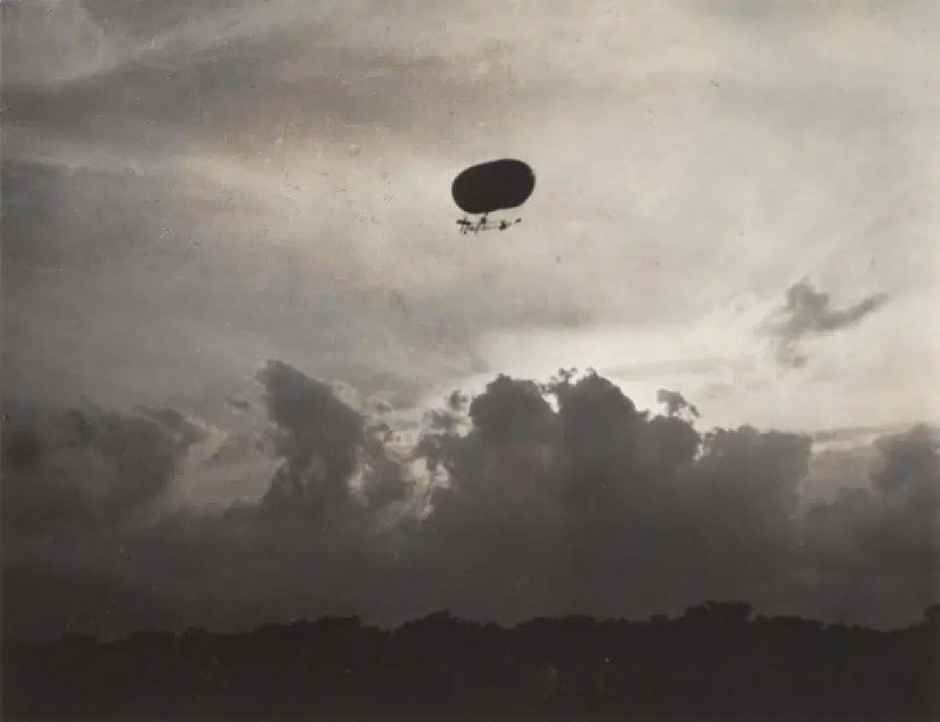
 Photo: Korea Tourism Organization
20th Century Masters of Photography Exhibition - Light, Stopping Time
30, Sejongdaero 21-gil, Jung-gu, Seoul (Taepyeong-ro 1-ga)
About this event
We live in an era where hundreds of millions of images are easily born on LCD screens every day and vanish lightly with a single finger. Amidst the flood of digital technology and artificial intelligence, anyone can now easily capture and replicate moments. In the maze of lightweight pixels, the profound resonance and lingering impressions conveyed by analog photography are gradually fading. As easy production and consumption repeat themselves, we are losing the "authenticity of gazing"—the ability to gaze deeply and for a long time at an object. From the moment of its inception, photography was a physical exploration mediated by light, as well as an art of time that captured and preserved a cross-section of flowing time. The masterpieces born from the fingertips of 20th-century masters were not mere reproductions of phenomena through cold machines. They were the unique philosophies of the artists who gazed at and interpreted the world head-on. In contrast to digital images, photographic works produced and printed using analog methods are called "physical prints." These are photographs completed under the red light of a darkroom, where silver halide particles (photosensitive components combining silver and halogen elements) and the texture of platinum seep into the photographic paper. In this crystallization of ‘silver alchemy,’ one can vividly feel the air, temperature, and even the tremor of the wind at the moment the masters held their breath and pressed the shutter. It is the weighty texture of analog printing that can never be captured on a digital screen. This represents the ‘weight of physical time’ endured on site and the sublime trace left by aesthetic labor. The special exhibition *Masters of 20th Century Photography: Light, Stopping Time* was curated by carefully selecting the unrivaled collection of Gallery Lumiere. It brings together approximately 80 masterpieces by 17 world-renowned masters who laid the foundation and brought modern photography to fruition, including Henri Cartier-Bresson (1908–2004), Tina Modotti (1896–1942), and William Klein (1926–2022). This exhibition is not merely a retrospective of masterpieces from past centuries, but a journey of contemplation that follows the gaze of masters who loved and observed the world more passionately than anyone else. It surveys the trajectory of the era, etched in light, from various angles—ranging from the pioneers of modern photography who elevated photography to the realm of fine art, to masters who emphasized pure humanism, and documentary masters who bore witness to the dynamism of the city and the deep inner depths of human existence. While modern people today are surrounded by digital media consumed at a rapid pace, they paradoxically crave the warmth of the analog. This exhibition aims to provide a resting place to escape the fleeting lightness of digital frames and linger within the calm interplay of black and white. We encourage you to pause and linger before each photograph. If you listen closely to the breath of the masters flowing through the fine grains of black and white, much like reading a carefully written handwritten letter, you will feel a deep resonance that will not evaporate for a long time.
Event Program
- Main Program: Exhibition of approximately 80 works by 17 photographers - Side Events and Programs: Screening of video materials / Sale of artist catalogs and art merchandise (goods) / Sale of original prints
Hours
- 10:00~18:00- 입장 마감 17:30
Admission
- 성인 12,000원- 어린이/청소년/경로/특별할인 9,000원- 유아 무료※ 문화가 있는날 50% 할인
Organizer
Chosun Ilbo, Gallery Lumière · Chosun Ilbo Cultural Business Group
Phone
02-724-6319
Location
Restaurants nearby worth visiting
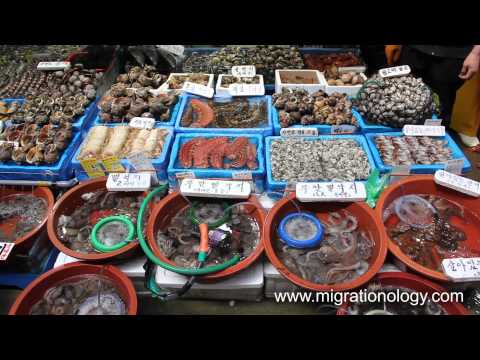
Noryangjin Fish Market
Mark Wiens
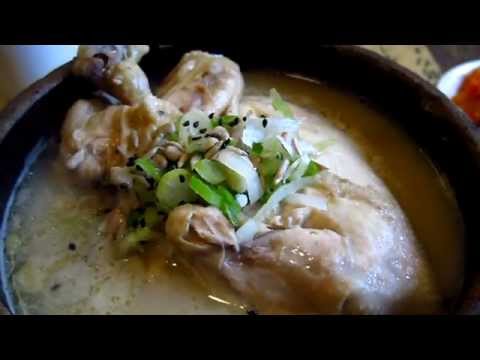
Tosokchon Samgyetang
Mark Wiens

Myeongdong Kyoja
Strictly Dumpling
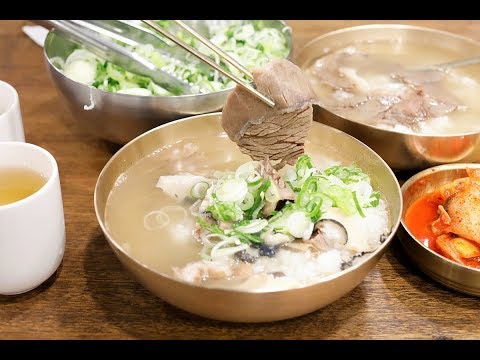
Hadongkwan
Best Ever Food Review Show
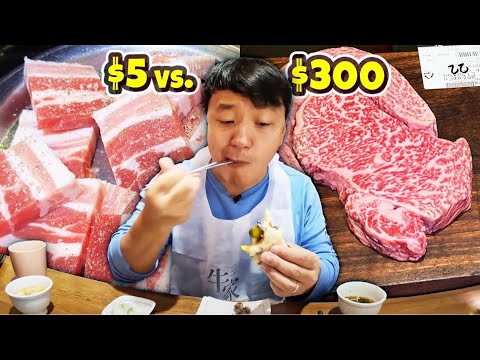
Maple Tree House
Strictly Dumpling
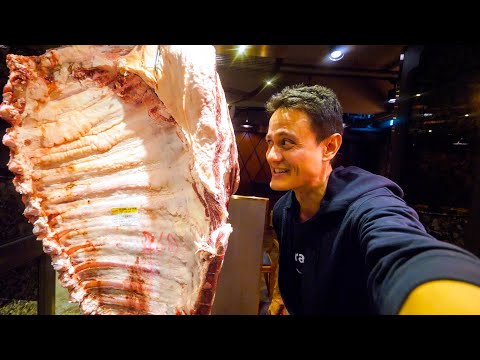
Hanwoo Beef Korean BBQ Restaurant
Mark Wiens
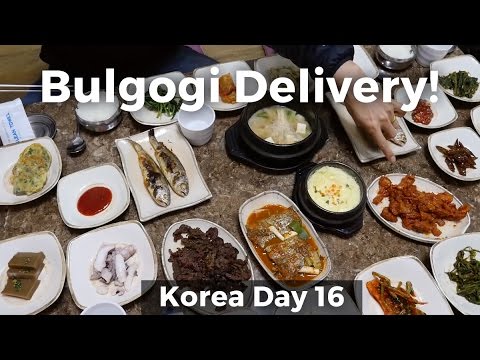
Bulgogi Delivery / Chili Paste Village
Mark Wiens

Fish Porridge and Mountain Vegetable Restaurant
Mark Wiens
You might also like

Painters
Nov 1 – Dec 31
3, Jeongdong-gil, Jung-gu, Seoul (Jeongdong)
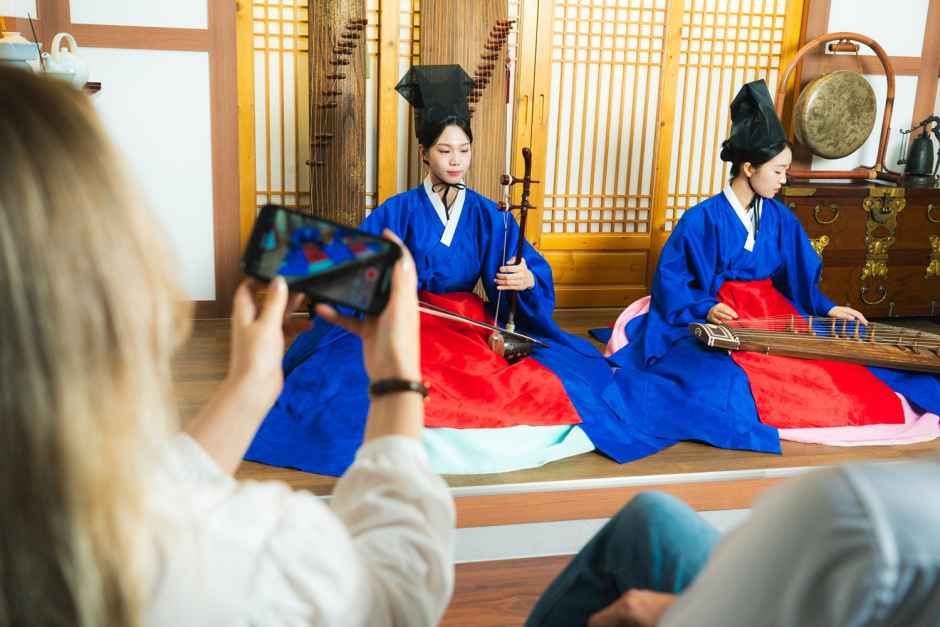
Gugak Performance Jinyeon
Jan 1 – Dec 31
Jinyeon

Seoul Royal Palace Changing of the Guard Ceremony
Jan 1 – Dec 31
99 Sejong-daero, Jung-gu, Seoul (Jeong-dong)
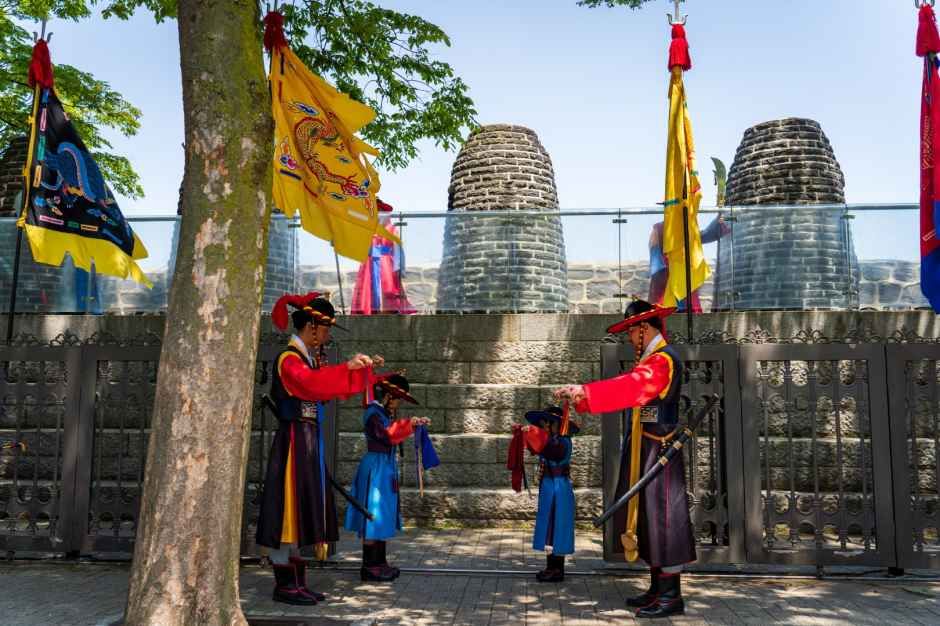
Traditional cultural events such as the Namsan Beacon Ceremony
Jan 1 – Dec 31
54 Jongno, Jongno-gu, Seoul (Gwancheol-dong)